July 9, 2026
The decision to install a private water well on your property with well services is significant and can impact your household's water quality, availability, and expenses. This article aims to guide you through the various aspects of owning a private water well to help determine if it's the right choice for you.
Understanding the Basics of Private Water Wells
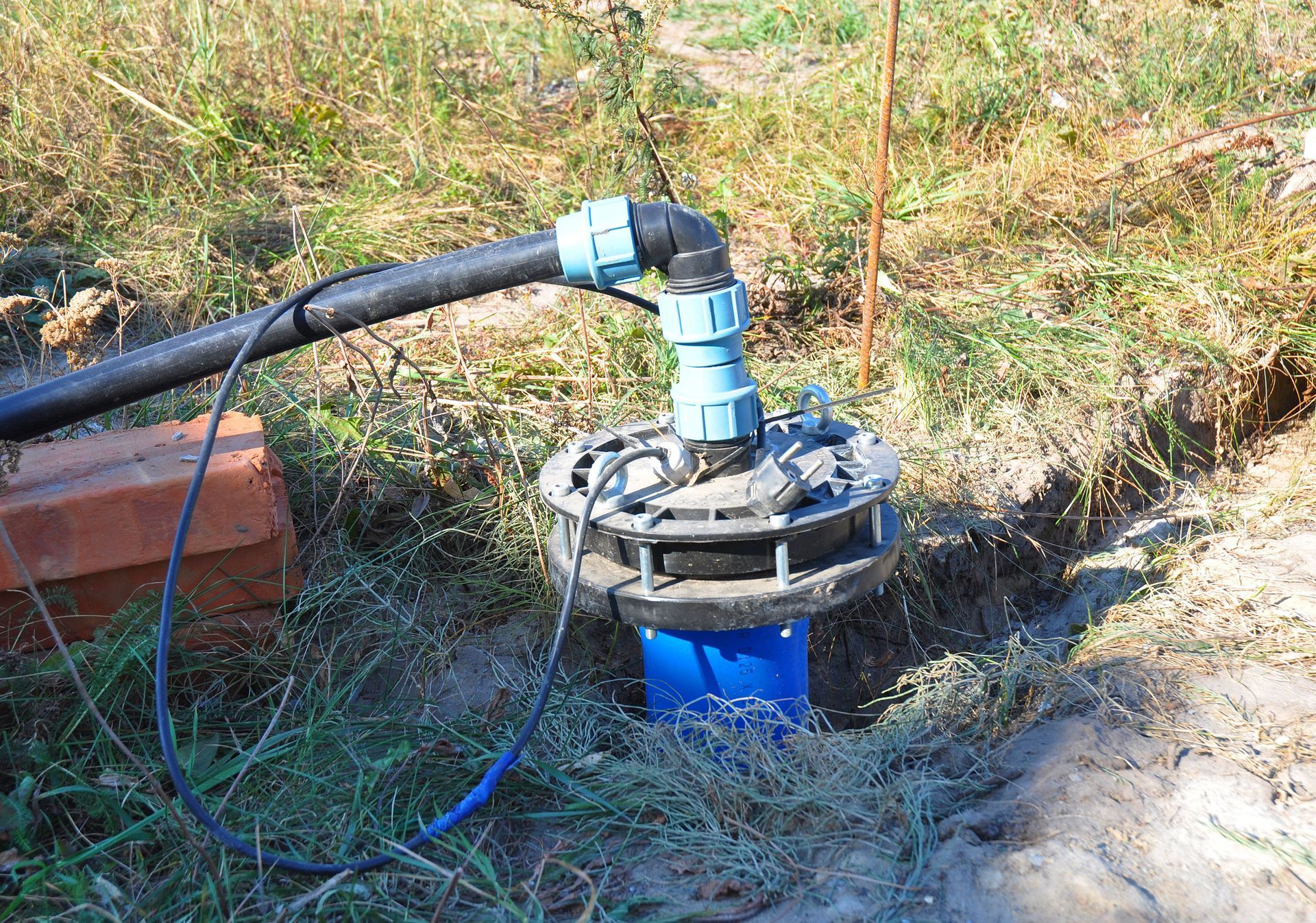
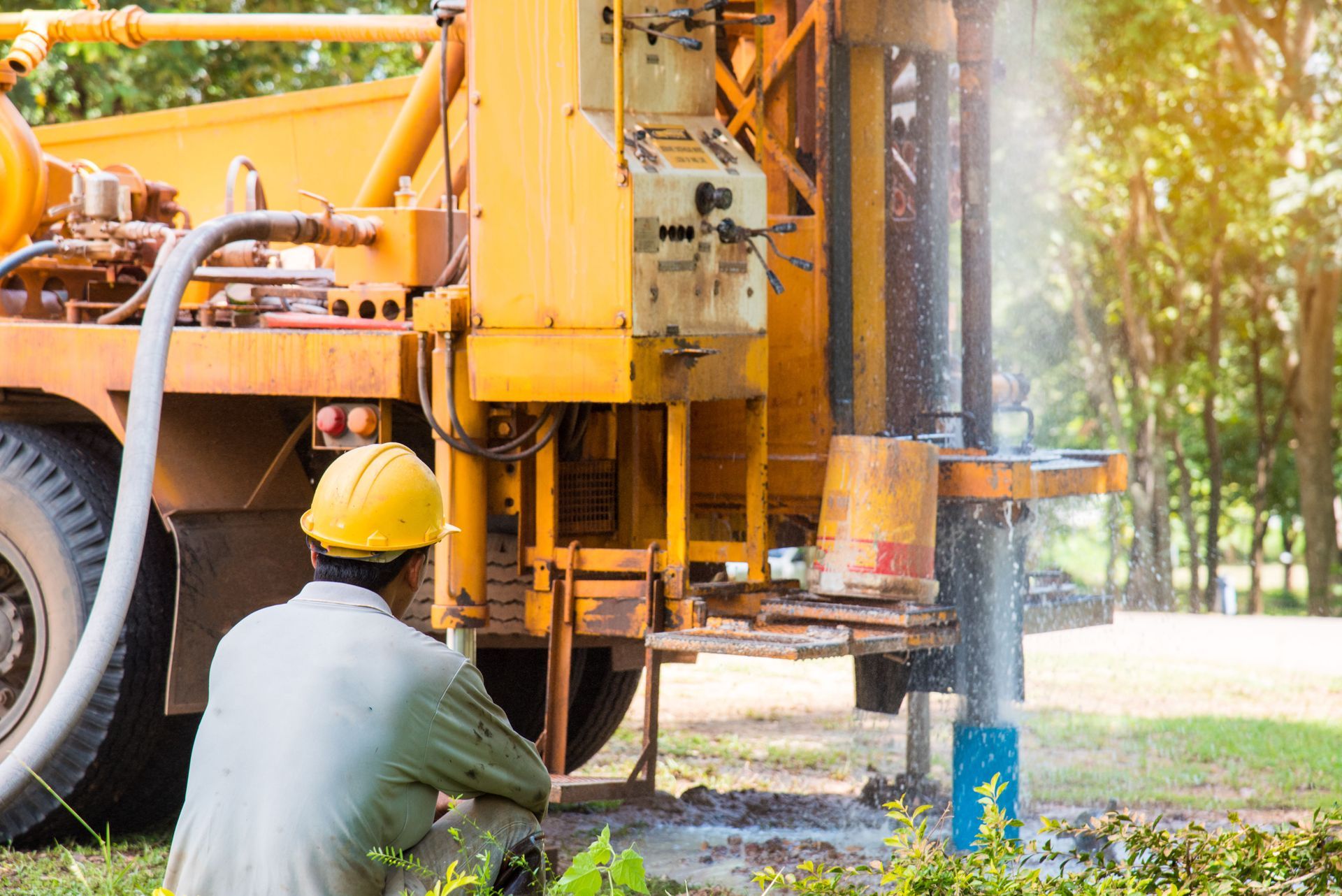
A private water well from well services is a man-made structure created specifically to access groundwater. These wells are typically drilled using specialized equipment to reach underground aquifers, which are layers of water-bearing rock or sediment. Once drilled, a well casing is installed to provide a passageway for the water from the aquifer to the surface. A pump is typically added to facilitate the movement of water from the well to the home. The well system may also include pressure tanks and treatment equipment to ensure the quality of the water.
There are various types of water wells, each suited for specific conditions and needs. Dug wells are shallow and are constructed using hand tools or buckets, while drilled wells, which are much deeper, are created using rotary drilling machines. Driven wells, less common but still used, are assembled by driving a small-diameter pipe into shallow water tables. The choice of well type depends on several factors, including the depth of the water table, water usage requirements, and local geological conditions.
The lifespan of a water well depends on construction quality, maintenance, and usage. On average, a properly constructed and maintained water well can last about 20 to 50 years, in our experience. Materials used for casing and piping, such as PVC, steel, or concrete, play a critical role in determining longevity. Regular inspection and upkeep can help identify issues early, potentially extending the life of a well. It's vital to consider these aspects when deciding to invest in a private water well.
2. Assessing Water Needs and Usage
Understanding your household's water requirements is the first step in assessing whether a private water well with well services is appropriate. Start by estimating the daily water consumption for essential activities such as drinking, cooking, and bathing. Factor in additional uses like laundry, irrigation, and potential future needs, like a pool or additional family members. Evaluating these needs helps in determining the capacity and type necessary for your home. Additionally, it's important to note usage spikes that may occur during various seasons, as these can impact your overall water demand.
Considering seasonal variations in water usage can also provide a clearer picture of your total requirements. During summer, for instance, irrigation needs increase significantly, adding to the overall water use. Similarly, warmer months might see higher consumption due to outdoor activities. Conversely, winter months might bring about lower demands. Understanding these patterns allows you to plan the well's pumping capacity accurately.
Efficiency is key when using well water, and it's essential to calculate how efficiently your household uses water. This involves comparing the amount of water drawn from the well against actual usage and looking for opportunities to reduce waste. Implementing water-saving techniques can enhance well efficiency. Comparing well water supply to municipal water can highlight both the cost benefits and limitations. It can offer a detailed picture of potential savings and highlight any potential limitations in water supply or pressure.
3. Evaluating the Cost Implications
The financial aspect of installing a private water well with well services is among the first considerations for any homeowner. Initial installation costs can be substantial, encompassing the drilling, casing, pump installation, and electrical work. On average, these costs can vary widely depending on the well depth and specific geological conditions. Planning and budgeting for these initial expenses are crucial, perhaps taking advantage of competitive quotes from several contractors to manage costs effectively. Over time, as the well becomes operational, these initial costs are offset by eliminating monthly water bills.
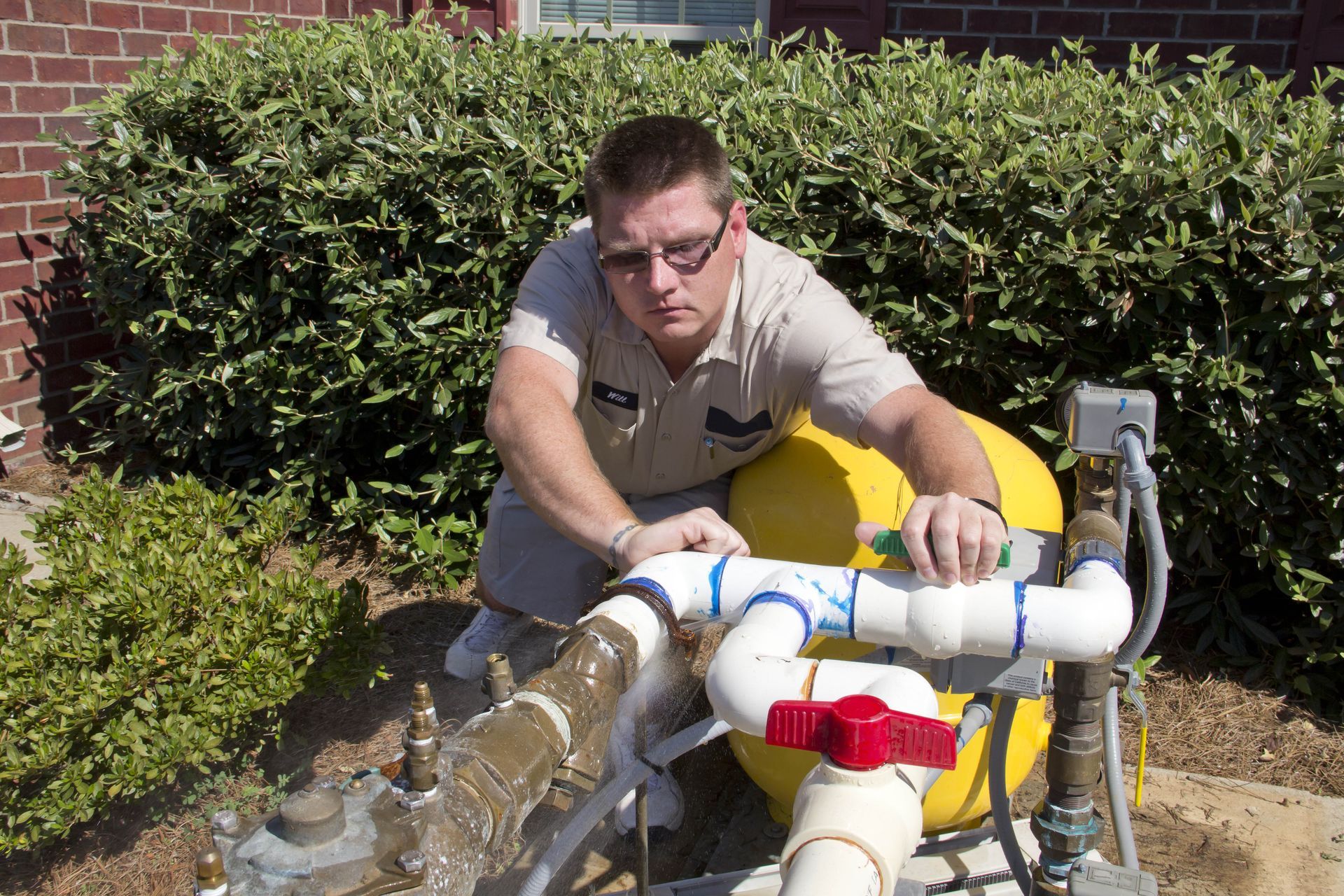
Maintenance is another cost factor that cannot be overlooked. Routine checkups, pump servicing, and water quality testing are necessary investments to maintain operational efficiency. Regular maintenance prevents larger issues that could result in costly repairs. Operational expenses also include electricity to run the pump and potential treatment system costs, if the water requires filtration or softening. Understanding these ongoing expenses is essential when evaluating the overall cost of ownership.
Nonetheless, the potential exists for long-term savings, as well water eliminates the need for monthly municipal water bills. While installation and initial setup can be costly, the absence of ongoing water supply charges offers financial relief over time. Financing options, such as loans tailored for home improvement, can facilitate covering these upfront expenses. Comparing the costs with municipal water supply can further illuminate the financial viability and potential return on investment of a private well. Indeed, according to NGWA, approximately 500,000 new residential wells are constructed annually, highlighting a growing trend towards this self-sustaining water supply option.
4. Analyzing Location and Environmental Factors
Location plays a pivotal role in determining the feasibility and success of a water well. Properties with ample space are more suited for well installations with well services, as sufficient distance must be maintained from septic systems and other contaminants. The proximity of a well to potential pollutants influences both the safety and quality of the water supply. A thorough site analysis is thus crucial, ideally carried out by experienced professionals. This ensures that the site selection adheres to safety standards and legal requirements.
Understanding the local geology and characteristics of nearby aquifers is crucial in predicting a well's success. Knowledge about soil composition, rock layers, and water table depth helps ascertain both feasibility and the necessary depth of the well. Geological surveys or local water authority reports can offer insights into these aspects, greatly aiding in planning. Individuals exploring this option should engage with local experts to better understand the implications of their specific soil and rock conditions. This preparation not only determines the success of the installation but also impacts the long-term efficacy and water quality.
5. Quality and Safety of Well Water
Ensuring the quality and safety of well water is a non-negotiable aspect of private well ownership. Various potential contaminants can impact water quality, including agricultural runoff, industrial chemicals, and naturally occurring substances like arsenic. Identifying these common contaminants and understanding their sources allows for targeted testing and treatment. Regular water quality tests are essential in detecting any issues early and preventing them from posing health risks. Implementing routine assessments helps maintain a clean and safe water supply.
After understanding and identifying contaminants, testing and monitoring become routine exercises for well owners. It's important to engage in regular inspections to address changing water quality over time. Professional testing services can ensure accurate assessments are carried out, highlighting any issues that need addressing before they become problematic. Implementing a consistent testing schedule helps maintain ongoing water quality. These efforts contribute to both health and safety and ensure compliance with local health and safety regulations.
Deciding whether to invest in a private water well involves carefully analyzing your specific needs, financial situation, environmental factors, and adherence to legal guidelines. By weighing the benefits against the challenges, you can make an informed decision to either proceed with a well installation or explore other water supply alternatives. For well services, contact Hayes & Sims Drilling today.