May 28, 2026
Water wells are a vital resource for many households and communities, providing a reliable supply of water for drinking, irrigation, and other daily needs. However, like any critical infrastructure, water wells require regular maintenance to ensure their safe and efficient operation. Ignoring maintenance can lead to significant issues that could compromise the quality of water and the integrity of the well system. This article will explore important reasons to stay diligent about water well service and the numerous benefits it offers. From ensuring safe drinking water to improving system reliability, maintaining water wells is a responsibility that shouldn't be overlooked.
1. Ensuring Safety and Quality of Drinking Water
Preventing Contamination
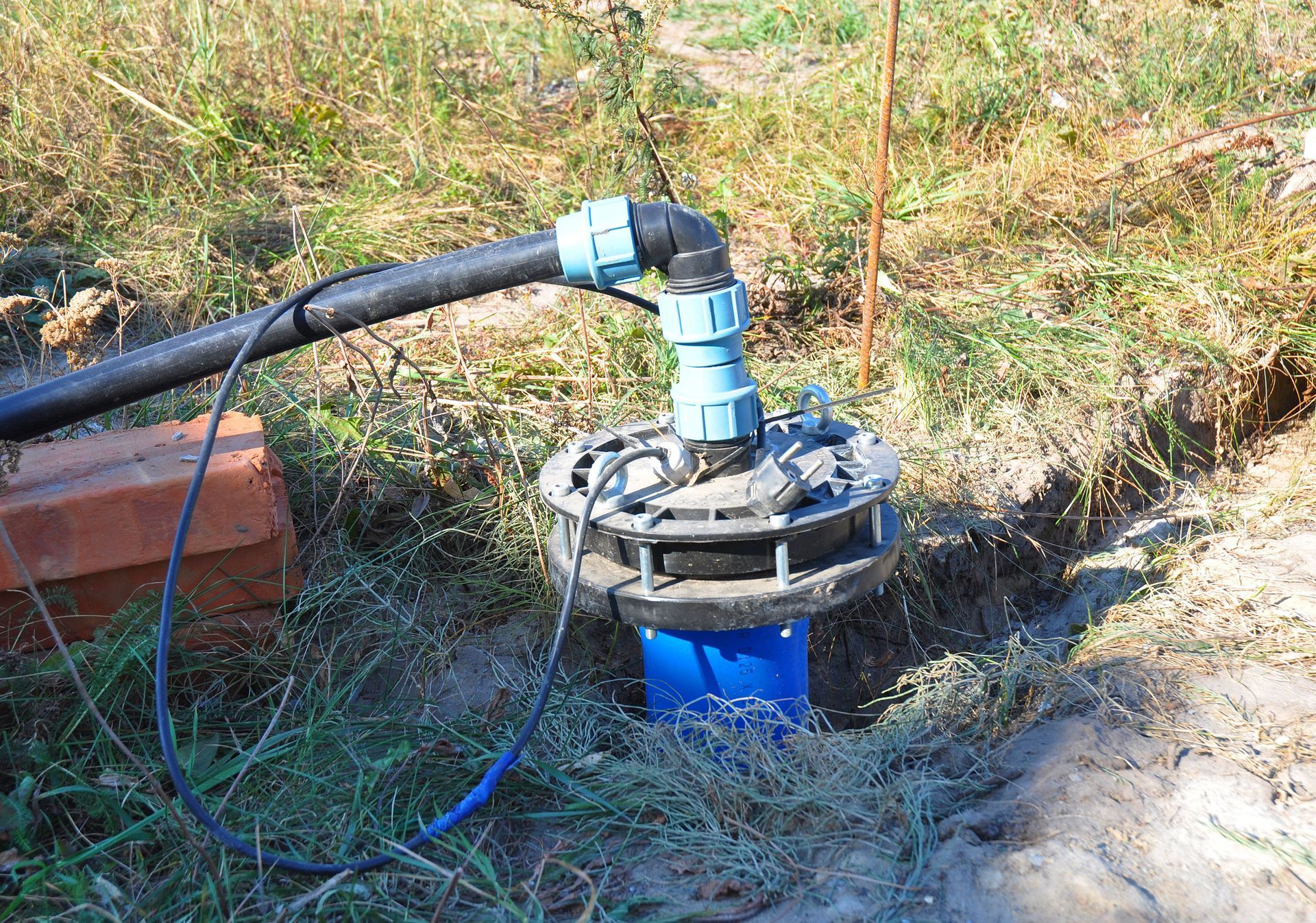
Water quality is paramount to human health, and regular water well service plays a crucial role in preventing contamination. Failure to prevent contaminants from seeping into the well water can lead to serious health issues for those who consume it. Regular checks and system upgrades, such as replacing damaged seals, can proactively prevent pollutants from entering the water supply. A well-maintained cap, for instance, is essential to stop insects and animals from accessing the well, thereby preventing biological contamination. Preventive practices ensure clean water, safeguarding public health and maintaining trust in water sources.
Monitoring Water Quality
Ongoing water testing is an integral part of maintaining a well. Testing helps detect harmful bacteria and chemical pollutants that may not be visible to the naked eye. It ensures compliance with local water quality standards and provides insights into any potential issues that may arise. Furthermore, such consistent monitoring can reveal seasonal changes in water composition, allowing homeowners to make informed decisions about any necessary treatments. Ultimately, routine testing plays a pivotal role in safeguarding the purity of drinking water and ensures that it remains safe for consumption year-round.
Maintaining Proper Filtration
Proper filtration is fundamental to maintaining water quality, as it removes sediments and harmful substances. Over time, filters can become clogged, reducing their ability to purify water effectively. Regular inspection and replacement of these filters are necessary to ensure optimal performance. Cleaning and maintaining filtration systems not only prevents sediment buildup but also enhances the taste and clarity of the water. A diligent approach to filtration maintenance ensures that domestic water supplies remain both efficient and health-promoting.
2. Extending the Lifespan of the Well
Inspecting Components Regularly
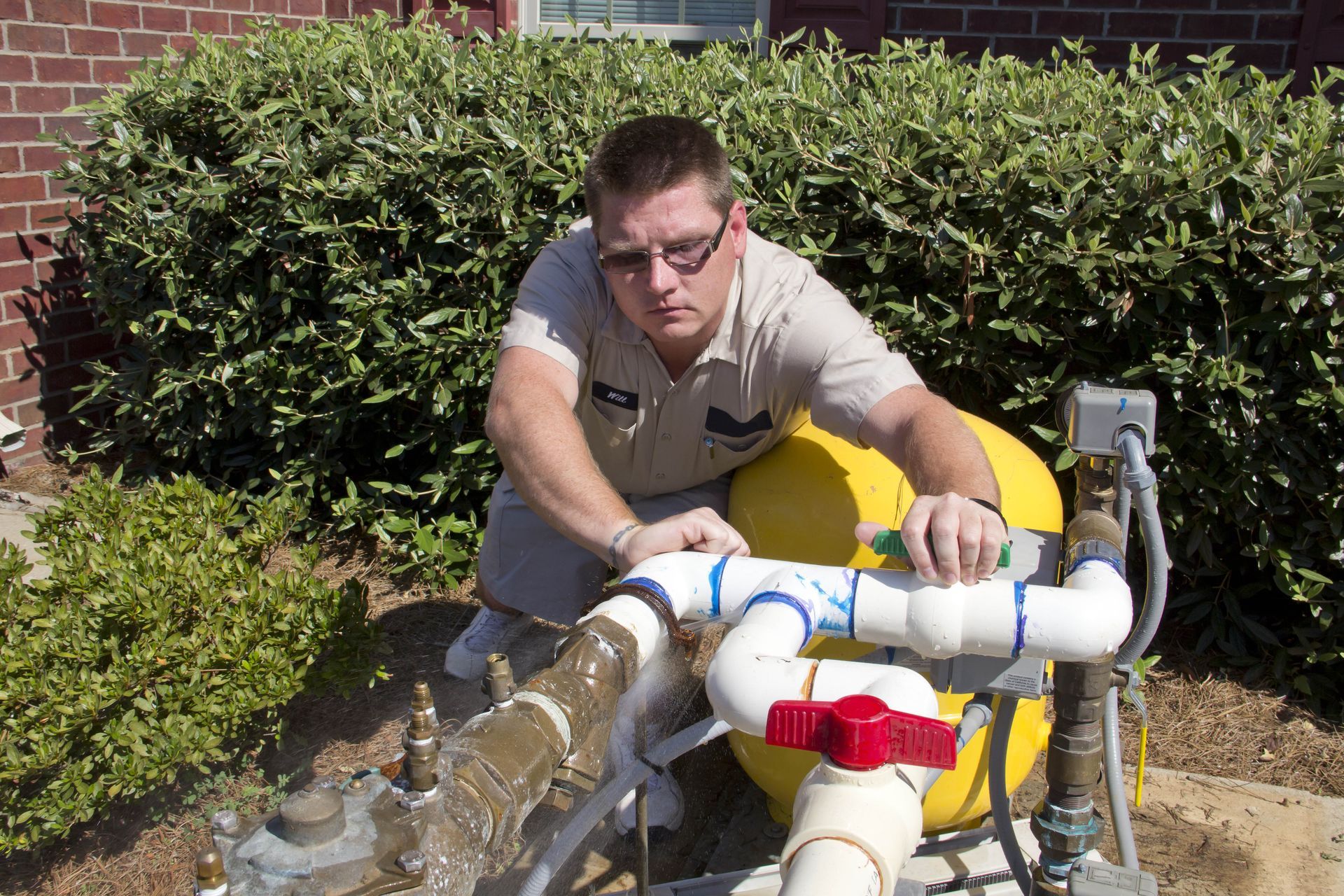
Routine inspections are crucial for extending the lifespan of well components such as pumps, pipes, and pressure tanks. Identifying wear and tear early allows for timely repairs, preventing costly breakdowns. Just as regular maintenance extends the life of a car, it ensures that well components remain in peak condition for as long as possible. This proactive approach helps avoid sudden failures, which can be both disruptive and expensive to address. Proper care and water well service ensure that the entire well system continues to function efficiently over the years.
Preventing Mechanical Failures
Mechanical failures can lead to significant interruptions in water supply, which might become expensive and cumbersome to resolve. Regular water well service helps achieve the desired pressure levels, which, according to This Old House, should be between 40 and 60 psi for optimal performance. By addressing minor issues before they escalate, homeowners can prevent more severe problems that can shorten the well's lifespan. Early action is vital in averting costly mechanical failures that can arise from overlooked wear and tear. Effective water well service ensures that the well remains a dependable source of water.
Reducing Sediment Buildup
Sediment buildup is a common issue that can affect the efficiency of a well system. Regular cleaning and maintenance help prevent the accumulation of sediments, which can clog pipes and reduce water flow. Over time, sediment can lead to significant reductions in well efficiency and water quality if not addressed promptly. By routinely inspecting and cleaning the well, homeowners can prevent these issues from compromising their water supply. Ensuring that sediment does not obstruct the system maintains both efficiency and the quality of the well’s output.
3. Saving Money in the Long Run
Avoiding Costly Repairs
While regular water well service does involve some ongoing costs, it significantly reduces the risk of incurring larger expenses in the future. Small preventative measures can identify issues early, preventing them from evolving into more serious problems. Addressing potential complications quickly can save homeowners from costly repairs and the inconvenience of unexpected breakdowns. Additionally, proactive maintenance can help avoid the high costs associated with emergency service calls. Effective maintenance strategies translate into long-term financial savings and an uninterrupted water supply.
Reducing Energy Costs
A well-maintained system not only boosts efficiency but also cuts down on energy consumption. When components such as pumps work efficiently without obstruction, they consume less power, leading to lower energy bills. Addressing inefficiencies promptly ensures that systems don't work harder than necessary, which can significantly impact energy usage. By ensuring optimal performance, homeowners can enjoy a financially attractive reduction in energy costs. Maintenance practices that enhance system efficiency benefit both environmental goals and the household budget.
Extending Replacement Intervals
Regular water well service helps to extend the intervals between necessary replacements of well components. By keeping individual components in good condition, homeowners can delay the need for major replacements, such as pressure tanks or pipes. Longer replacement intervals mean fewer disruptions and expenses over the life of the well system. Regular care ensures that parts last as long as possible, maximizing the investment in the well infrastructure. Proper planning and maintenance translate directly into financial savings and system longevity.
4. Complying with Regulations and Standards
Adhering to Local and State Guidelines
Compliance with local and state guidelines is a vital aspect of responsible well ownership. These guidelines ensure that water quality is prioritized and that well systems are equipped to meet safety standards. Regular well inspections are essential to ascertain compliance and avoid potential fines or legal issues. Staying informed about regulations and requirements helps homeowners make educated decisions regarding necessary improvements. By fulfilling guideline expectations, water well owners contribute to community well-being and environmental protection.
Fulfilling Testing Requirements
Many jurisdictions require regular water testing to confirm safety and potable quality. Fulfilling these testing requirements is essential to maintain legal compliance and safeguard public health. Regular testing schedules allow for early identification of potential issues, ensuring prompt intervention as needed. Compliance not only protects household water safety but also satisfies regulatory agencies monitoring water use. Adhering to testing requirements demonstrates a commitment to upholding health standards, which ultimately benefits the entire community.
Renewing Permits and Licenses
Maintaining a compliant well system includes staying current on permits and licenses necessary for legal operation. A lapse in compliance not only risks fines but can also lead to operational disruptions. Regular maintenance is a key factor that regulatory bodies assess when determining eligibility for permit renewals. Maintaining compliance with these permits ensures that wells continue to provide water without interruption or legal interference. Diligence in renewing permits demonstrates the homeowner's commitment to lawful water management practices.
Regular water well service is not merely a routine task but an essential practice that ensures safety, extends the life of a critical resource, and preserves the environment. By maintaining water wells, individuals and communities can enjoy peace of mind, knowing that they have a reliable and sustainable water source. The benefits of staying proactive about well maintenance are numerous, affecting health, finances, and community resilience. Let us commit to maintaining our water wells as part of responsible resource management and stewardship. In prioritizing the upkeep of our water systems, we safeguard present needs and future prosperity for all users. To get started on your water well inspections or repairs, reach out to the pros at Hayes & Sims Drilling today.