July 29, 2026
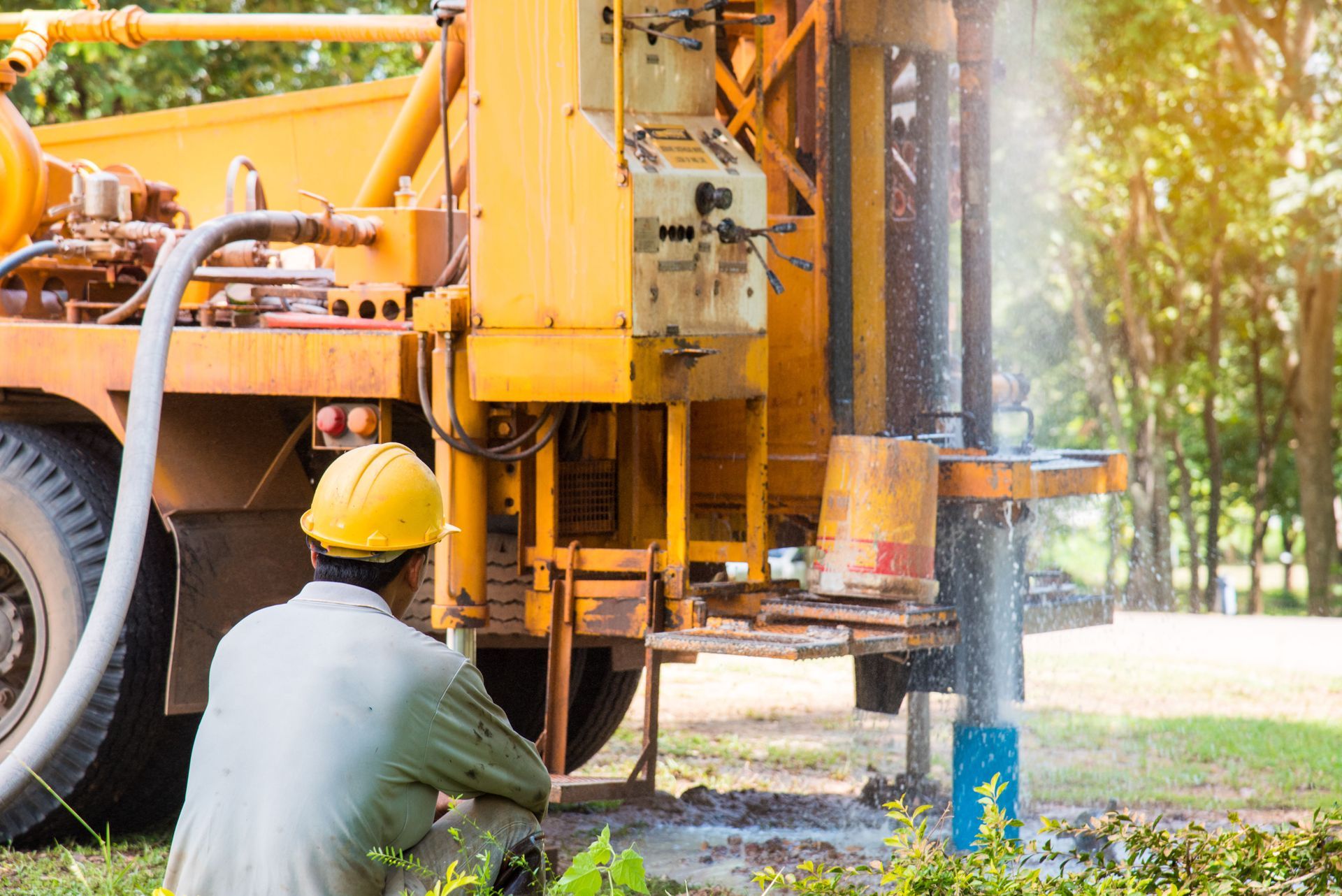
Owning a private water well offers a reliable and independent water source for many homeowners, especially in rural or undeveloped areas. Unlike municipal systems, a private well gives property owners direct control over their water supply, but it also comes with important responsibilities. Proper planning, installation, and ongoing maintenance are essential to ensure consistent performance and water quality. This is why many homeowners rely on professional well service to support both the installation and long-term care of their systems, helping them avoid disruptions and maintain dependable access to water year-round.
Understanding how a private well operates helps property owners make informed decisions about maintenance and system upgrades. From water sourcing to distribution, every component plays a role in delivering clean and dependable water. Working with experienced professionals ensures that each element is properly installed and maintained, reducing the likelihood of unexpected issues. A dependable well service helps homeowners avoid unexpected issues while supporting long-term reliability and ensuring that the system continues to meet daily household demands without interruption.
According to This Old House, private well systems typically rely on two primary types of pumps—submersible pumps and jet pumps—each designed to meet different depth and performance requirements. This distinction highlights the importance of selecting the right equipment based on property conditions and water demand. We’ve seen how proper system design impacts long-term performance and efficiency. Here are key aspects every homeowner should understand when owning a private water well.
Understanding Well System Components
Identifying Water Sources
A private well draws water from underground aquifers, which vary depending on geographic location and environmental conditions. Understanding the source of your water helps determine system design and capacity while also influencing water quality expectations. A well service provider evaluates these conditions to ensure proper placement and performance, helping homeowners achieve a reliable and sustainable water supply.
Selecting the Right Pump Type
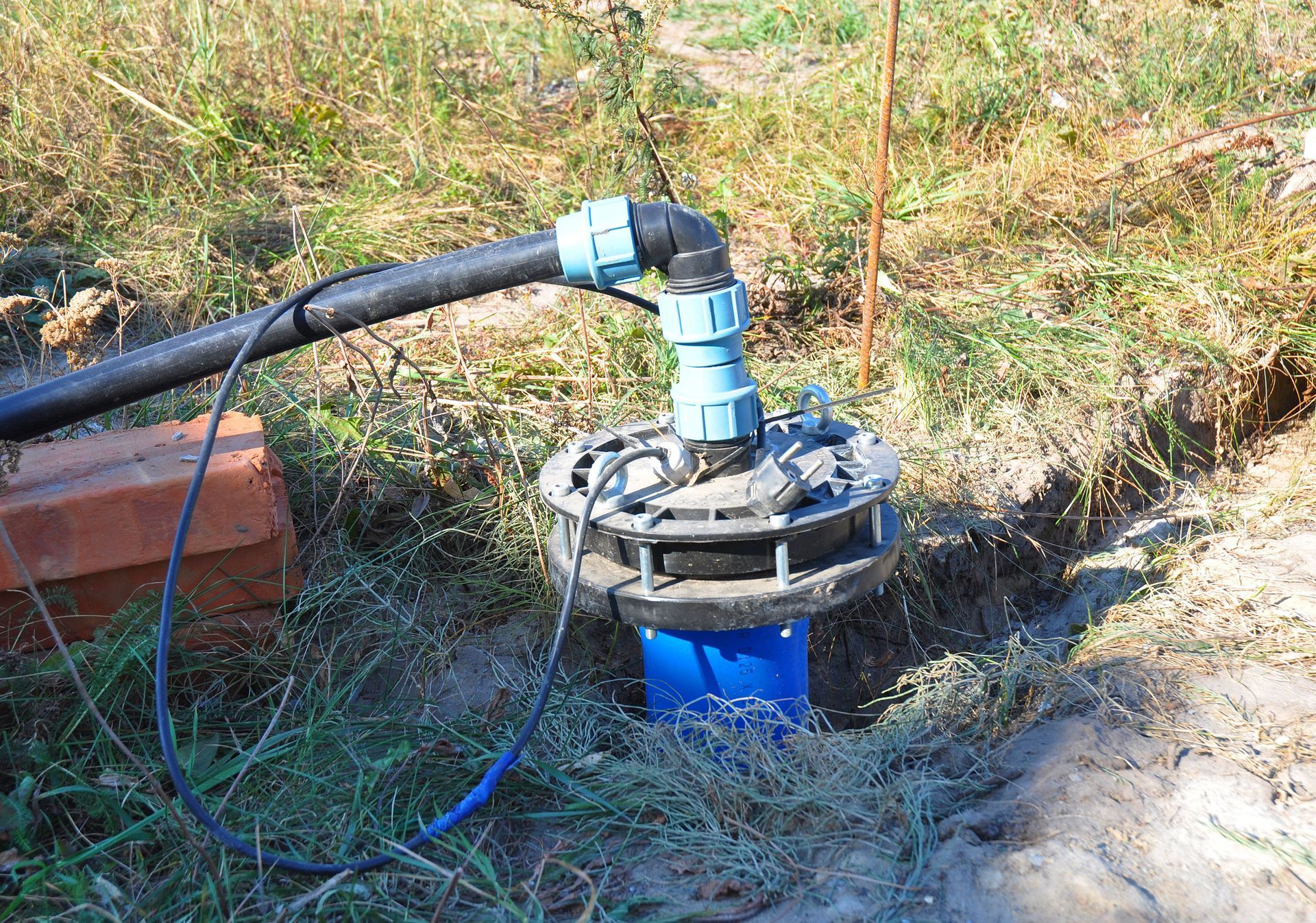
The pump is one of the most critical components of a well system, directly affecting water flow and pressure. Submersible pumps are typically used for deeper wells, while jet pumps are suited for shallower applications. Choosing the correct pump ensures consistent water pressure and reliable delivery, which is essential for meeting daily household needs.
Installing Pressure Systems
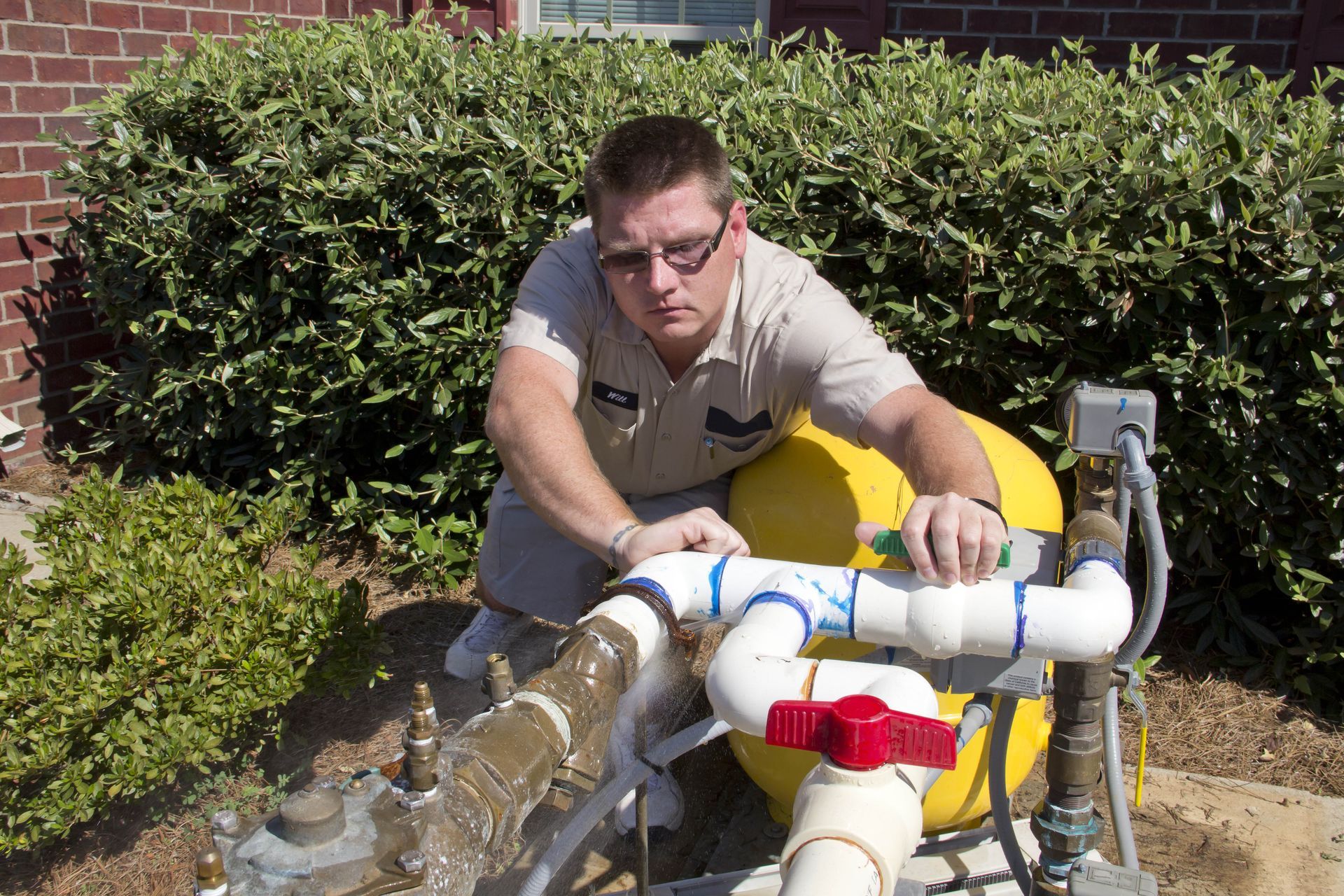
Pressure tanks help regulate water flow throughout the property, ensuring that water is delivered evenly and efficiently. These systems maintain consistent pressure and reduce strain on the pump, which helps extend the life of the equipment. Proper installation supports efficient operation over time and contributes to overall system stability.
Supporting System Integration
All components must work together seamlessly to ensure reliable performance. A professional well service ensures that pumps, tanks, and piping systems are properly connected and balanced for optimal performance, reducing the risk of inefficiencies or system failures.
Understanding system components helps homeowners maintain reliable water access and avoid unnecessary complications while ensuring long-term system efficiency.
Ensuring Proper Well Installation
Evaluating Site Conditions
Before installation begins, site conditions must be carefully assessed to determine the best approach. Soil composition, water table depth, and property layout all influence well placement and performance. Proper evaluation ensures a stable and efficient system that can meet long-term water needs.
Meeting Regulatory Requirements
Well installation must comply with local regulations and environmental standards, which are designed to protect groundwater resources. These requirements help ensure safe operation and prevent contamination. A qualified well service manages these considerations during installation to ensure compliance and reliability.
Using Quality Materials
Durable materials are essential for long-term performance and system integrity. High-quality casing, piping, and seals help protect the system from contamination, corrosion, and wear, ensuring that the well remains functional over time.
Supporting Long-Term Stability
Proper installation techniques ensure that the well remains stable over time, even as environmental conditions change. This reduces the likelihood of structural issues and supports consistent water flow for years to come.
Professional installation is key to ensuring that a private well operates efficiently from the start and continues to perform reliably over time.
Maintaining Water Quality Standards
Testing Water Regularly
Routine water testing helps identify potential contaminants and ensures that the supply remains safe for use. Regular testing is a critical part of responsible well ownership and helps detect issues early before they become more serious.
Monitoring System Performance
Changes in water pressure, taste, or clarity may indicate underlying issues within the system. A well service can evaluate these changes and recommend appropriate solutions to maintain consistent performance and water quality.
Installing Filtration Systems
Filtration systems help remove impurities and improve water quality, making the water safer and more pleasant to use. These systems are tailored to address specific concerns based on test results and environmental conditions.
Preventing Contamination Risks
Proper well construction and maintenance help protect against contamination from surface sources such as runoff or nearby pollutants. Ongoing care ensures that the water supply remains clean, reliable, and safe for daily use.
Maintaining water quality is essential for both health and system performance, making regular monitoring and maintenance a priority.
Managing Routine Maintenance Needs
Inspecting System Components
Regular inspections help identify wear and potential issues before they become major problems that require costly repairs. A well service evaluates pumps, tanks, and connections to ensure proper operation and identify areas that may need attention.
Servicing Pump Systems
Pumps require periodic maintenance to maintain efficiency and prevent breakdowns. Addressing minor issues early helps prevent costly repairs or system failure, ensuring consistent water delivery.
Checking Electrical Connections
Electrical components play a key role in system function and must be maintained properly. Ensuring secure connections helps maintain consistent performance and reduces the risk of malfunctions or unexpected outages.
Supporting Preventive Care
Routine maintenance reduces the likelihood of unexpected breakdowns and helps extend the lifespan of the entire system. Preventive care ensures that the well continues to operate efficiently over time.
Consistent maintenance ensures that private wells continue to operate efficiently while minimizing the risk of unexpected disruptions.
Addressing Common Well Issues
Identifying Low Water Pressure
Reduced water pressure can result from pump issues, clogged filters, or pressure tank problems. A well service can diagnose and resolve these concerns effectively, restoring normal performance.
Resolving Water Supply Interruptions
Interruptions in the water supply may indicate mechanical or structural issues within the system. Prompt evaluation helps restore consistent flow and prevent further complications that could impact daily use.
Managing Sediment Buildup
Sediment can accumulate in the system over time, affecting water quality and performance. Proper cleaning and filtration help address this issue and maintain consistent operation.
Preventing Equipment Failure
Timely repairs and maintenance help prevent major equipment failures that can lead to costly downtime. Addressing issues early reduces repair costs and supports long-term reliability.
Understanding common problems allows homeowners to respond quickly and maintain system reliability over time.
Planning for Long-Term Well Ownership
Evaluating System Lifespan
Well systems are designed for long-term use, but individual components may require replacement over time. Monitoring system age helps homeowners plan for future upgrades and avoid unexpected failures.
Budgeting for Maintenance Costs
Ongoing maintenance is an essential part of well ownership and should be factored into long-term planning. Preparing for these costs helps avoid financial strain and ensures consistent care.
Supporting Property Value
A well-maintained system adds value to a property by providing a reliable and independent water source. Proper care ensures continued functionality and enhances overall property appeal.
Ensuring Reliable Water Access
Long-term planning helps maintain consistent access to water and reduces the risk of disruptions. A professional well service supports ongoing performance and reliability through regular maintenance and expert guidance.
Owning a private water well offers many benefits, including independence and control over your water supply. However, it also requires a commitment to proper installation, maintenance, and monitoring to ensure reliable performance. From understanding system components to maintaining water quality, each aspect plays a role in ensuring long-term success.
By working with experienced professionals, homeowners can protect their investment and enjoy the long-term benefits of a well-managed system. Proper care and attention help ensure that private wells continue to provide safe and dependable water for years to come.
If you’re considering installing or maintaining a private well, contact Hayes & Sims Drilling today to learn how a trusted well service can help support your water needs and provide long-term reliability.